Scaling Without Losing Your Soul: How Small Businesses Can Maintain Culture During Rapid Growth
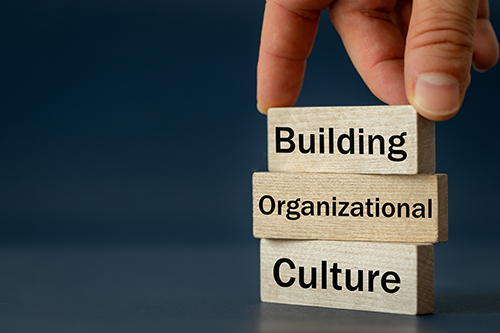
A brilliant small business catches its stride. The product is market-validated. The demand is increasing. It's an exhilarating time—until the realization hits that the small, tight-knit crew that built the business can no longer keep up. It’s time to scale.
Growth is the goal, but success brings a new, often quiet, challenge: preserving the "secret sauce" that made you successful in the first place. That "secret sauce" is your company’s soul—its culture, its core values, and its unique approach to solving problems.
The faster a business scales, the faster its culture can erode if it’s not intentionally managed. How do you add 20, 50, or 100 people without becoming the very type of corporate entity your early team was proud not to be?
Here is a guide for small businesses navigating this critical expansion phase.
1. Codify Your Core (Define It Before You Scale It)
When a business is just five people, culture happens organically. By the time you reach fifty, culture requires documentation. What do you believe? How do we treat each other? What behavior is rewarded?
Before the next hiring spree, write it down. These are not just motivational posters; they are your operational guardrails. Define your core values clearly and integrate them into every performance review and strategic decision.
2. Hire for Culture, Train for Skill (Your Gatekeepers)
The fastest way to fracture a great culture is by rushing the hiring process during a busy period. In a rapid growth phase, the temptation is to hire the most experienced candidate.
Our philosophy is different: prioritized value alignment over immediate skill proficiency. A skilled hire who disrupts your team’s cohesion will cost you far more than a less experienced hire who embodies your values and is eager to learn. Your first 50 hires are your culture gatekeepers.
3. Implement Intentional Communication (Avoiding the Disconnect)
As layers are added to the organizational structure, the informal "telephone game" communication style of a startup must go. You need intentional, scalable communication channels.
This means regular all-hands meetings, transparent goals (like OKRs) that everyone can access, and structured feedback loops. Transparency is vital. If your team doesn't understand why the company is growing and how their role contributes, they will disconnect.
4. Leadership Must Model the Behavior (Living the Values)
Culture is what happens when the CEO is not in the room. In a growing company, this behavior is a mirror of the leadership team. If the value is "integrity," but leaders cut corners, the staff will see it.
As a holdings company, we believe that providing the framework for sustainable operations allows leaders within our portfolio to stay focused on these critical human capital elements. Leadership by example is the ultimate anchor during rapid expansion.
Scaling a business is a marathon, not a sprint. By focusing on your core values, your communication, and your people, you can ensure your small business doesn't just grow larger, but grows stronger, without ever losing its soul.